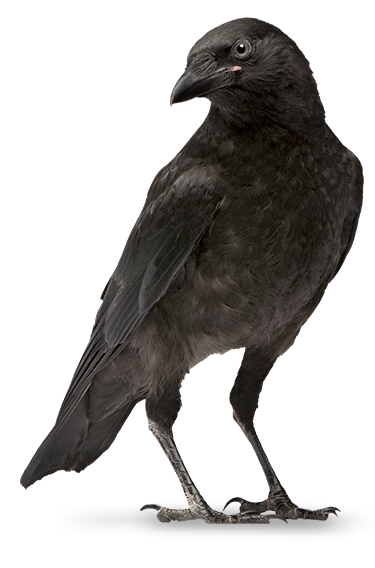
The crow occupies a revered place in Japanese mythology and folklore. The imperial lineage in Japan, extending over 2,600 years from Emperor Jimmu’s traditional accession in 660 BCE to the present Emperor Naruhito, underscores this reverence. Emperor Jimmu, the mythical first Emperor of Japan and a descendant of the sun goddess Amaterasu, is celebrated for his successful Eastern Expedition which subdued Yamato, around present-day Nara, under the guidance of a divine crow sent from heaven.
Recorded in the “Kojiki,” Japan’s oldest existing chronicle, and the “Nihon Shoki,”a subsequent, more detailed record of Japanese history, these texts detail Jimmu’s initial positioning in Takachiho, present-day Miyazaki Prefecture in Kyushu. This area, also known as Hyūga, is of significant mythological and historical importance. From this strategic location, Jimmu embarked on his eastern expedition.
After crossing the Seto Inland Sea, Jimmu navigated from Naniwa, traveled up the Yodo River through Kawachi, and headed toward Yamato. However, he faced strong resistance from a local clan leader, forcing him to retreat. Interpreting this setback as a consequence of combating against the direction of the sun—a symbolic misalignment for a descendant of the sun goddess—Jimmu took a southern detour around the Kii Peninsula, aiming to approach Yamato from the north via Kumano, the area including present-day Mie, Wakayama, and Nara Prefecture.
Upon their arrival in Kumano, Jimmu and his army were struck unconscious, likely overwhelmed by the region’s sacred spiritual energies. At this critical juncture, a local man, guided by divine instruction, presented Jimmu with a celestial sword. This sword, imbued with the power to quell the surrounding tumultuous spirits, revived Jimmu and his troops.
Instructed to follow the divine crow Yatagarasu, Jimmu navigated through the deep mountains of Kumano to reach the Yoshino River’s upper reaches. This guidance proved pivotal, as the crow and the celestial sword’s power enabled Jimmu to consolidate control over the land and fortify his rule, achieving his goal of unifying the region. Renowned as a divine messenger from heaven, the crow that guided Emperor Jimmu holds a sacred place in Japanese culture, symbolizing guidance and triumph.
Indeed, Yatagarasu, the divine crow, is venerated at Kumano Nachi Taisha, a significant Shinto shrine located in Wakayama Prefecture, as a guardian deity for traffic and maritime safety. Additionally, many visitors are drawn to this shrine to admire the natural beauty of Nachi Falls and to pray for longevity and protection from disasters.
This ancient story of guidance resonates with the mission of Linc Books: to help ideas, knowledge, writing, and stories travel across languages and cultures, opening paths between Japan and the wider world.